Gallery label
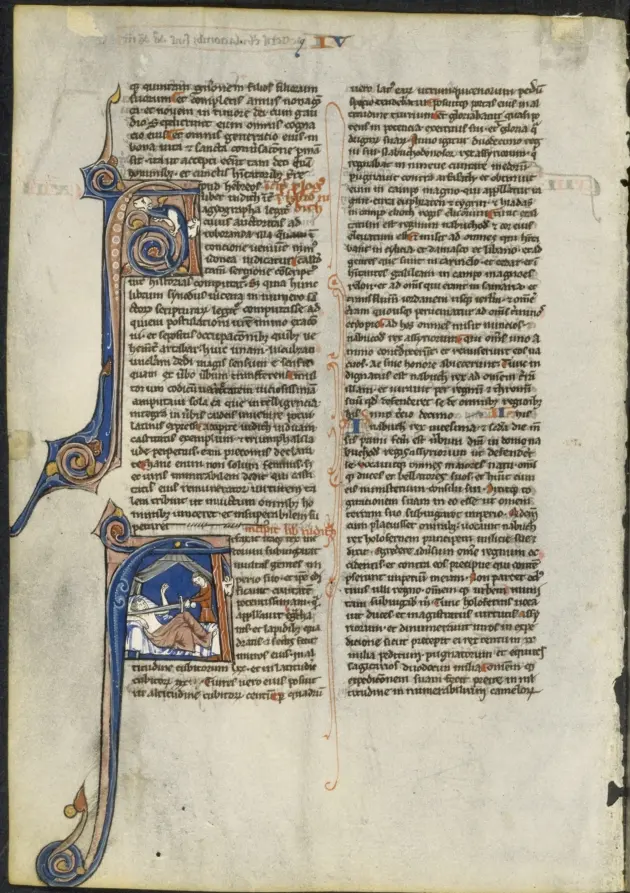
Bosse gives the biblical tent contemporary furniture. Sacred history becomes intimate, reproducible, and available at the scale of the hand.
Look closely
Line distributes attention from bed hangings to vessels and textiles before arriving at the blade, embedding the killing in a world of things.
Why this Judith matters
Small prints ask what happens when spectacular violence becomes domestic and repeatable—a scene inspected rather than confronted.
Sources for this record:The Metropolitan Museum of Art record ↗
“Bosse gives the biblical tent contemporary furniture. Sacred history becomes intimate, reproducible, and available at the scale of the hand.”
Narrative index
Primary catalogue placement: the act, Judith 13:6–8. The index organizes comparison; it does not claim that every visual detail comes from those verses or that the work touches only one episode.